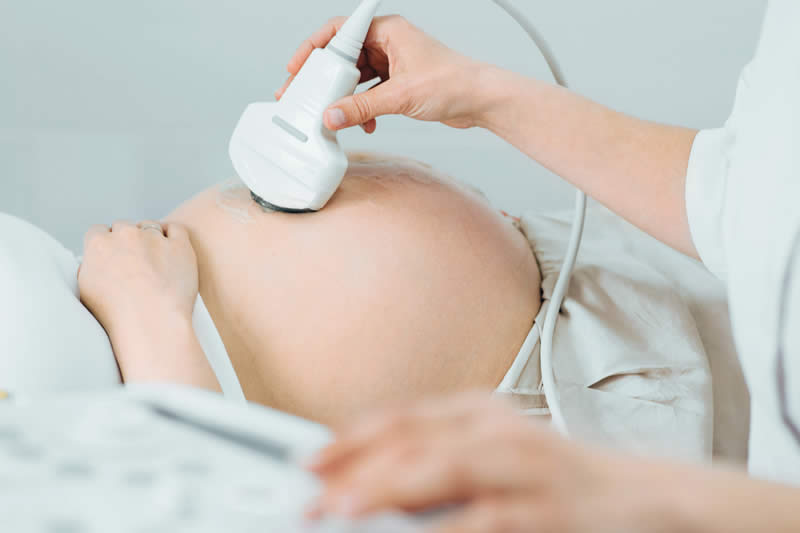
What Is a High-Risk Pregnancy and How Can Fetocare Help?
Pregnancy is one of life's most profound journeys — and for most, it unfolds with joy and anticipation. But for some families, the path involves additional complexity. When a pregnancy carries a higher chance of complications for the mother, the baby, or both, it is described as high-risk. Navigating this requires not only clinical expertise, but also patience, clarity, and unwavering support.
At Fetocare, our goal is to walk alongside you through every step — providing the specialist care, honest information, and genuine reassurance that every family in this situation deserves.
What Is a High-Risk Pregnancy?
A high-risk pregnancy is one in which the mother, the baby, or both face a greater potential for complications than in a typical pregnancy. These pregnancies require closer observation, more frequent monitoring, and often the involvement of specialist practitioners who can respond quickly and thoughtfully to changing circumstances.
At Fetocare, our aim is not simply to monitor — it is to understand each pregnancy in its full context and provide care that is both proactive and deeply personal.
Why Might a Pregnancy Be Considered High-Risk?
There are many factors that can place a pregnancy in the high-risk category. Some are present before conception; others emerge as the pregnancy progresses. Common reasons include:
- Maternal age: Pregnancies in women under 17 or over 35 carry a statistically higher risk of certain complications and chromosomal conditions.
- Pre-existing medical conditions: Conditions such as diabetes, hypertension, thyroid disorders, autoimmune diseases, or heart conditions can significantly affect the course of a pregnancy.
- Multiple pregnancy: Carrying twins, triplets, or more increases the complexity of the pregnancy and the likelihood of complications such as preterm labour and growth discordance.
- Previous pregnancy complications: A history of recurrent miscarriage, preterm birth, stillbirth, or preeclampsia in a prior pregnancy increases the risk in subsequent ones.
- Fetal abnormalities: Structural differences detected during scanning, or chromosomal conditions identified through prenatal testing, place the pregnancy under specialist care.
- Lifestyle factors: Obesity, smoking, alcohol use, or exposure to certain environmental risks can elevate the risk profile of a pregnancy.
- Infections and placental issues: Conditions such as placenta previa, placental abruption, or infections that affect the baby's development also require specialist attention.
How Is a High-Risk Pregnancy Managed?
Every high-risk pregnancy is different, and management must be tailored accordingly. At Fetocare, Dr. Shubham Gupta works with each patient to develop a personalised care plan — one that addresses the specific risks involved while keeping the mother's wellbeing, preferences, and concerns at the centre of every decision.
Depending on the nature and degree of risk, management may involve:
- More frequent check-ups and scans to monitor fetal growth, placental function, and amniotic fluid levels at regular intervals.
- Advanced imaging including detailed anomaly scans, fetal echocardiography, and color Doppler studies to assess blood flow and fetal wellbeing.
- Blood tests and biochemical screening to evaluate markers associated with conditions such as preeclampsia, chromosomal abnormalities, or infection.
- Close monitoring of maternal health including blood pressure, blood glucose levels, and other indicators relevant to the underlying condition.
- Genetic counselling where inherited conditions, chromosomal findings, or family history require detailed discussion and informed decision-making.
- Referrals and multidisciplinary coordination with obstetricians, neonatologists, cardiologists, and other specialists as the clinical picture requires.
Why Early Care Matters
- Prevention: Early identification of risk factors allows for interventions that can prevent complications from escalating — whether through medication, lifestyle modifications, or enhanced monitoring.
- Timely decisions: When issues are identified early, families have more time to understand their options, ask questions, and make decisions with clarity rather than under pressure.
- Support and reassurance: For many high-risk pregnancies, the greatest need is not just clinical — it is the confidence that comes from knowing someone is watching carefully, and that you will not face this alone.
High-Risk Pregnancy Care at Fetocare
Fetocare understands that each pregnancy is unique, and that the families who come to us with complex situations deserve more than a scan report. They deserve time, expertise, and a partner in care.
- Accurate diagnosis through advanced imaging and comprehensive prenatal testing, so that decisions are grounded in reliable information.
- Step-by-step guidance through what can be a confusing and emotionally demanding experience — with every finding explained in plain language and every question welcomed.
- Collaboration with your obstetrician and wider medical team to ensure continuity of care and coordinated management across all aspects of your pregnancy.
- Attention to both medical and emotional wellbeing — because the anxiety that often accompanies a high-risk pregnancy is real, and addressing it is part of good care.
If you have been told your pregnancy is high-risk, or if you have concerns that have not yet been addressed, we invite you to book an appointment with Dr. Shubham Gupta. You deserve answers, and we are here to provide them.